 Skip to content
Sleep is often treated as a luxury or a pause in the day, a time when life simply stops. But in reality, sleep is a critical foundation for mental health. While we may notice fatigue or grogginess after a poor night’s sleep, the effects run much deeper. Sleep shapes our emotions, cognition, memory, and even our ability to recover from stress and trauma.
For me, chronic sleep disruption didn’t just make me tired; it made me irritable, anxious, and emotionally fragile. Tasks that once felt manageable became overwhelming, and my inner critic felt louder than ever. Over time, I realized that addressing my mental health required addressing my sleep, not just for rest, but for emotional regulation and resilience.
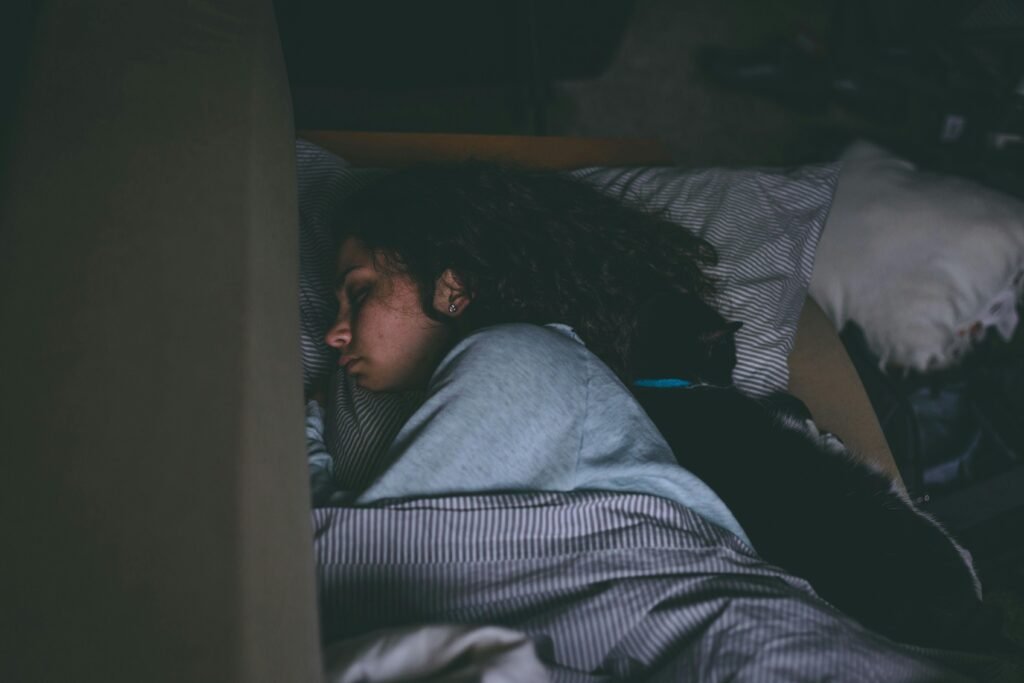
Understanding Sleep and Mental Health
Sleep is not a passive state. During sleep, the brain consolidates memories, regulates hormones, and restores neural networks. REM (rapid eye movement) and deep sleep stages are particularly crucial for emotional processing. Studies show that disrupted sleep can intensify negative thinking, reduce emotional flexibility, and increase vulnerability to stress.
A 2018 study by Goldstein and Walker found that sleep deprivation amplifies emotional reactivity in the amygdala, the brain’s fear center, and weakens communication with the prefrontal cortex, which helps regulate emotions. Simply put, poor sleep makes our emotions harder to manage, increasing anxiety, irritability, and depressive symptoms.
Here’s a video about how inadequate sleep can lead to emotional instability, impaired judgment and risk-taking behaviour, cognitive impairment, increased stress and anxiety, and reduced resilience.
The Science Behind Sleep’s Surprising Effects
- Emotional Memory Consolidation
During REM sleep, the brain processes emotional experiences, helping us integrate them into memory without becoming overwhelmed. Walker (2017) explains that sleep allows the brain to “decouple” the emotional charge from stressful memories, reducing their intensity. - Cognitive Function and Problem-Solving
Deep sleep supports learning, focus, and decision-making. Lack of sleep leads to impaired judgment, difficulty concentrating, and increased risk of impulsivity (Killgore, 2010). For people working in high-stress professions or navigating trauma, these cognitive effects can exacerbate mental health challenges. - Stress and Mood Regulation
Chronic sleep loss elevates cortisol, the body’s stress hormone, and dysregulates neurotransmitters such as serotonin and dopamine, which are essential for mood stability (Zohar et al., 2005). Over time, this physiological imbalance increases vulnerability to depression and anxiety. - Social and Emotional Connection
Sleep affects social cognition, including our ability to read facial expressions, empathize, and communicate effectively. Lack of rest can strain relationships and limit the support we rely on during challenging times (Ben Simon & Walker, 2018).
Practical Steps to Improve Sleep for Mental Health
- Prioritize Consistent Sleep Schedules
Go to bed and wake up at the same time each day to regulate your circadian rhythm. - Create a Restful Environment
Dim lights, reduce screen exposure before bed, and maintain a cool, quiet, and comfortable space. - Practice Mindful Wind-Down Rituals
Gentle stretching, deep breathing, or journaling can calm the nervous system before sleep. - Limit Stimulants and Late-Day Stressors
Reduce caffeine intake and avoid intense work or emotional conversations right before bed. - Seek Professional Support if Needed
Persistent sleep problems may indicate underlying conditions such as insomnia, sleep apnea, or depression. Therapists trained in CBT-I (Cognitive Behavioral Therapy for Insomnia) can provide structured guidance.
The Takeaway
Sleep is not optional; it’s a cornerstone of mental health. When we honor our need for rest, we support emotional regulation, resilience, cognitive clarity, and social connection. Recovery from stress, trauma, or daily challenges is amplified by consistent, quality sleep. By prioritizing sleep, we take a simple yet profound step toward mental well-being.

References
Ben Simon, E., & Walker, M. P. (2018). Sleep loss causes social withdrawal and loneliness. Nature Communications, 9(1), 3146.
Goldstein, A. N., & Walker, M. P. (2014). The role of sleep in emotional brain function. Annual Review of Clinical Psychology, 10, 679–708.
Killgore, W. D. (2010). Effects of sleep deprivation on cognition. Progress in Brain Research, 185, 105–129.
Walker, M. P. (2017). Why We Sleep: Unlocking the Power of Sleep and Dreams. Scribner.
Zohar, D., Tzischinsky, O., Epstein, R., & Lavie, P. (2005). The effects of sleep loss on medical residents’ emotional reactions to work events: A cognitive-energy model. Sleep, 28(1), 47–54.


