 Skip to content
For me, anxiety has always shown up in my body before my mind even catches on. My chest tightens, my heart races, and suddenly I’m holding my breath without realizing it. That’s the baggage I carry: the tension of unfinished tasks, the pressure to keep everything together, and the underlying fear that if I slow down, I’ll fall behind. Some days, even the simplest tasks feel overwhelming because my body is already in “fight or flight” mode before I consciously notice it.
I used to think calming down meant forcing myself to “just relax.” I’d tell myself to slow down, meditate, or distract myself with something enjoyable, but none of it worked. The harder I tried, the more frustrated I became, trapped in a loop of self-criticism. What’s helped me is learning how to breathe with intention. Breathing sounds simple, but slowing it down gave me space to feel in control again, even when my mind was racing.
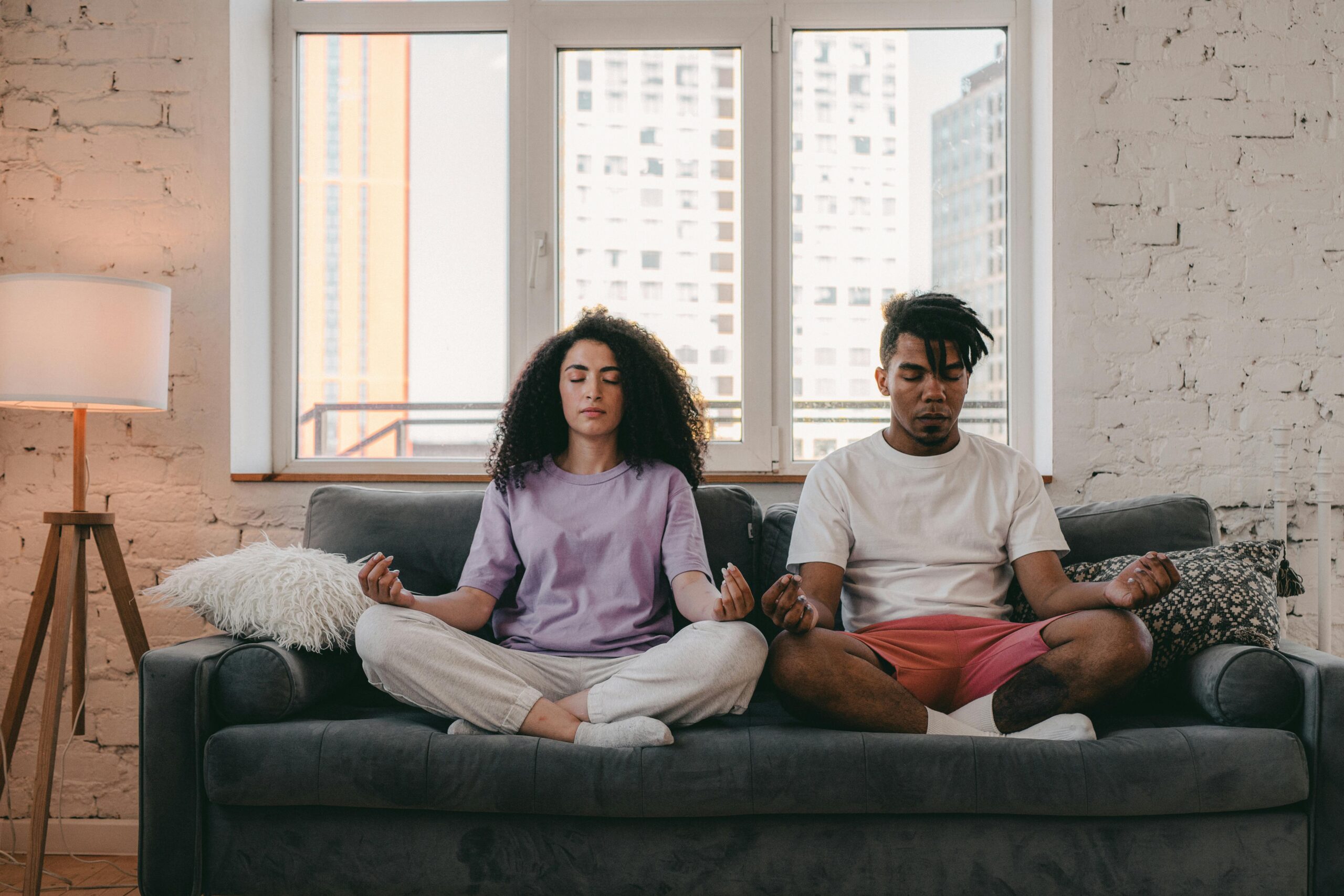
My Go-To Breathing Techniques
- Box Breathing: My personal favorite during stressful moments. Inhale for four counts, hold for four, exhale for four, hold for four. When I’m spiraling, it gives me a rhythm to focus on instead of my anxious thoughts. On a day filled with meetings or conflict, even two minutes of box breathing can prevent the panic from escalating.
- 4-7-8 Breathing: I use this at night when my heartbeat refuses to slow down. Inhaling for four, holding for seven, and exhaling for eight naturally slows my nervous system and signals my body that it’s safe to relax. Some nights, I pair this with dim lighting and calming music. It feels like pressing a reset button for my body.
- Diaphragmatic Breathing: On the hardest days, when stress feels unbearable, I place a hand on my belly and focus on expanding it with each inhale. Feeling my stomach rise and fall reminds me that I’m still here, still grounded, and capable of handling whatever comes next.
Why Breathwork Works
Research supports the effectiveness of these techniques. Breathwork has been shown to reduce anxiety and improve mood in both clinical and non-clinical populations (Fincham et al., 2023). Even short daily practices can help people with diagnosed anxiety disorders feel more in control (Banushi et al., 2023). One study found that a single session of diaphragmatic breathing lowered participants’ anxiety levels immediately (Serrano-Ibáñez et al., 2024).
Science explains this through the connection between breathing and the autonomic nervous system. Slow, controlled breaths send signals to the brain that it’s safe to relax, decreasing the fight-or-flight response. For me, this means that when I focus on my breath, I’m literally telling my body, “You’re safe. You’re in control.”
Turning Breathing Into a Daily Practice
I’ve found that integrating breathing exercises into daily routines makes a big difference. For example:
- Morning Reset: Before starting work, I do 2–3 minutes of box breathing. It sets the tone for the day and reduces anticipatory anxiety.
- Midday Pause: Between tasks, a few rounds of diaphragmatic breathing help me release accumulated tension and refocus.
- Evening Wind-Down: Using the 4-7-8 method before bed allows me to calm my body and mind, improving sleep quality.
Even a few minutes a day has helped me feel more grounded, centered, and capable of handling anxiety when it arises unexpectedly.
The Emotional Impact of Breathwork
Beyond the physiological benefits, breathing exercises provide emotional relief. They create a mental “pause button” that allows me to step back from anxiety instead of being consumed by it. I no longer feel like a passive victim of my anxious thoughts. Instead, I have a tool, a tangible action that reminds me that I’m in charge of my body and my mind.
This practice also helps me acknowledge the emotional baggage I carry: past stress, trauma, and constant pressure to perform. By focusing on my breath, I give myself permission to feel these emotions without letting them control me.
Practical Tips for Beginners
- Start Small: Even one minute of intentional breathing can make a difference. Don’t pressure yourself to do a full 10-minute session right away.
- Create a Safe Space: Find a quiet corner, close your eyes, or use headphones if you need to block distractions.
- Consistency Over Duration: Daily practice, even if brief, is more effective than occasional long sessions.
- Pair with Mindfulness: Pay attention to your body’s sensations, notice tension, heartbeat, or temperature changes as you breathe.
- Track Your Progress: Keep a journal of how you feel before and after each session to observe improvements in stress and mood.
A Personal Reflection
The first time I intentionally used box breathing during a panic episode, I felt my racing heart slow, and my mind settle. I realized that even in moments of extreme stress, I had a tool to regain control. Over time, these practices have transformed the way I manage anxiety, turning moments of panic into opportunities for grounding and self-care.
Breathing won’t erase anxiety completely, but it softens the edges. It reminds me that I don’t always have to fight; sometimes I just have to pause, inhale, and let go. Breathwork has become not just a coping strategy but a form of self-love, a tangible way of showing up for myself.

References:
Fincham, G. W., Strauss, C., Montero-Marin, J., et al. (2023). Effect of breathwork on stress and mental health: A meta-analysis.
Breathwork interventions for adults with clinically diagnosed anxiety disorders.
Effect of a controlled diaphragmatic breathing session on perceived pain and state anxiety.
Recent Blogs

You finally arrive at the life you’ve been working toward. The move is complete. The new job has started. The wedding has …
I’ve carried that quiet, nagging voice for as long as I can remember, the one whispering, “You’re not enough.” It shows up …

There was a time when my pain felt meaningless, like a weight I carried without reason. I remember lying awake at night, …


